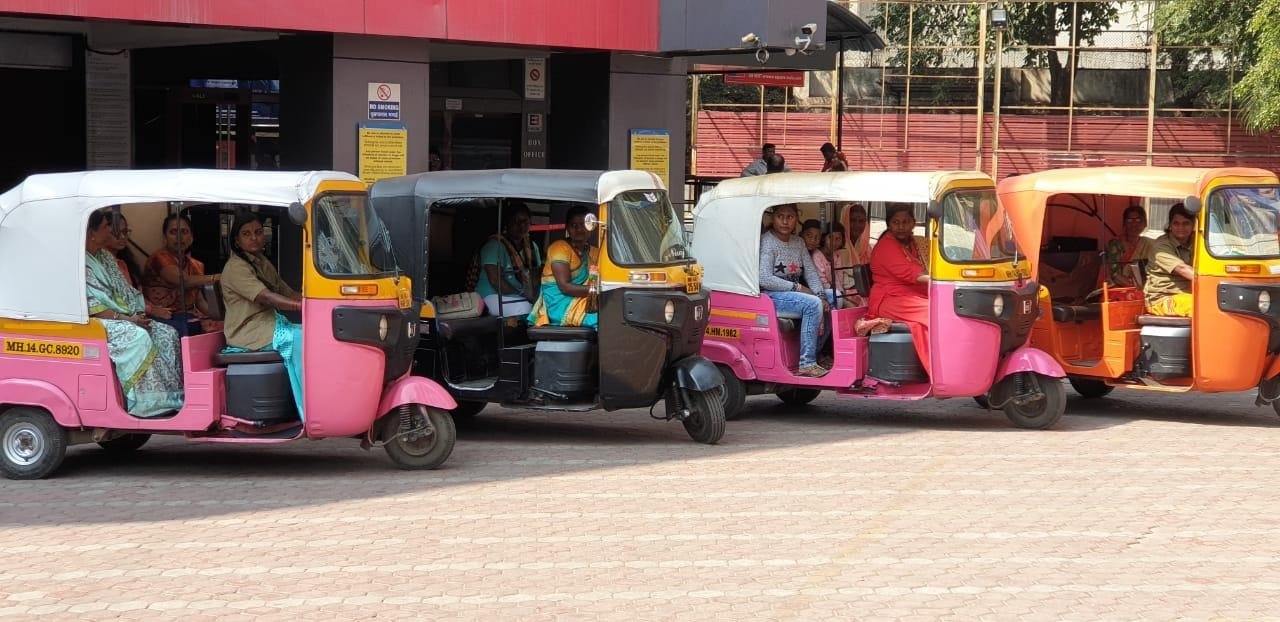
Women and Wheels: Empowering Rural Women Through Transportation Access
Smart mobility for rural areas is transforming the way remote communities access essential services, education, and economic opportunities. This gap creates barriers to empowerment, trapping women in cycles of dependency and limiting their potential to contribute to their communities. However, introducing accessible and affordable transport solutions can be a game-changer for rural women, opening doors to independence, opportunities, and social mobility.
1. Breaking Barriers with Mobility
For many rural women, traveling even short distances is a challenge due to poor infrastructure, high costs, or cultural constraints. Accessible transportation allows women to attend schools, visit health centers, and participate in local markets. Mobility eliminates these barriers, ensuring they can pursue education, secure employment, or manage their businesses efficiently.
2. Enhancing Economic Opportunities
Reliable transport enables women to access nearby towns and cities, where they can sell handmade goods, farm produce, or access job opportunities. With mobility, women entrepreneurs can scale their businesses and contribute to their household income, fostering financial independence.
3. Access to Education and Healthcare
Smart mobility for rural areas plays a crucial role in bridging the gap between remote communities and essential services. Reliable transportation enables young girls to travel safely to distant schools, ensuring continued education and empowerment. It also provides pregnant women and critically ill patients with timely access to healthcare facilities, leading to significantly better health outcomes and saving lives in underserved regions.
4. Transforming Gender Roles
Improved transport also shifts cultural perceptions about women’s roles. It gives them the freedom to explore opportunities outside their homes, paving the way for a more inclusive society where women are seen as equal contributors to family and community development.
5. Real-Life Stories of Change
One example is of women in villages where new transit systems were introduced. With better connectivity, they began forming cooperatives, traveling to sell their goods collectively, and negotiating better prices. Another success story includes young girls who could finally complete their education due to safe and regular transportation.
6. The Role of Village Transport Businesses
Businesses like Village Link Transit are crucial in driving this transformation. By offering affordable, safe, and eco-friendly transport options, they empower women to dream bigger and achieve their goals. Ensuring women-friendly services, such as female drivers or reserved spaces, can further encourage their usage.
Conclusion
Access to transportation is more than just a convenience for rural women—it’s a tool for empowerment. By investing in transport solutions tailored to their needs, we can unlock their potential, enabling them to lead more independent, fulfilling lives. With “wheels” under their feet, rural women can drive their way toward a brighter future.